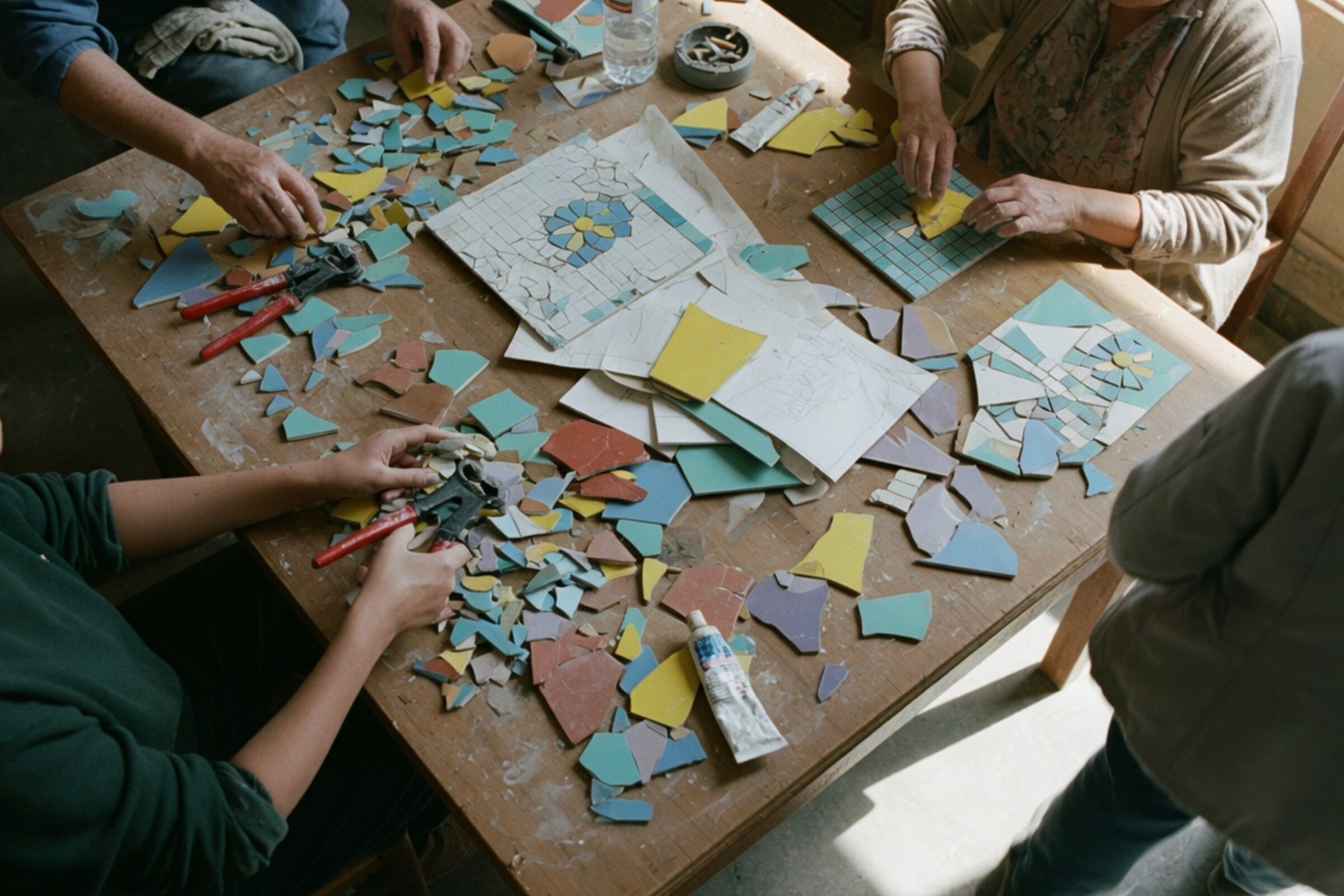
Trencadís is the technique behind some of the most recognisable surfaces in Barcelona — and for two hours you get to work in it yourself, with the materials, the instructions and a finished piece to take home.
Trencadís is the technique behind some of the most recognisable surfaces in Barcelona: small irregular fragments of ceramic and tile, put together into compositions of colour and shape. Antoni Gaudí turned it into one of the signatures of his architecture, and used it in some of his most famous buildings in the city.
The session opens with a short introduction to Catalan modernisme and to Gaudí’s way of working: where trencadís came from, what defines it, and where in Barcelona you can still find it.
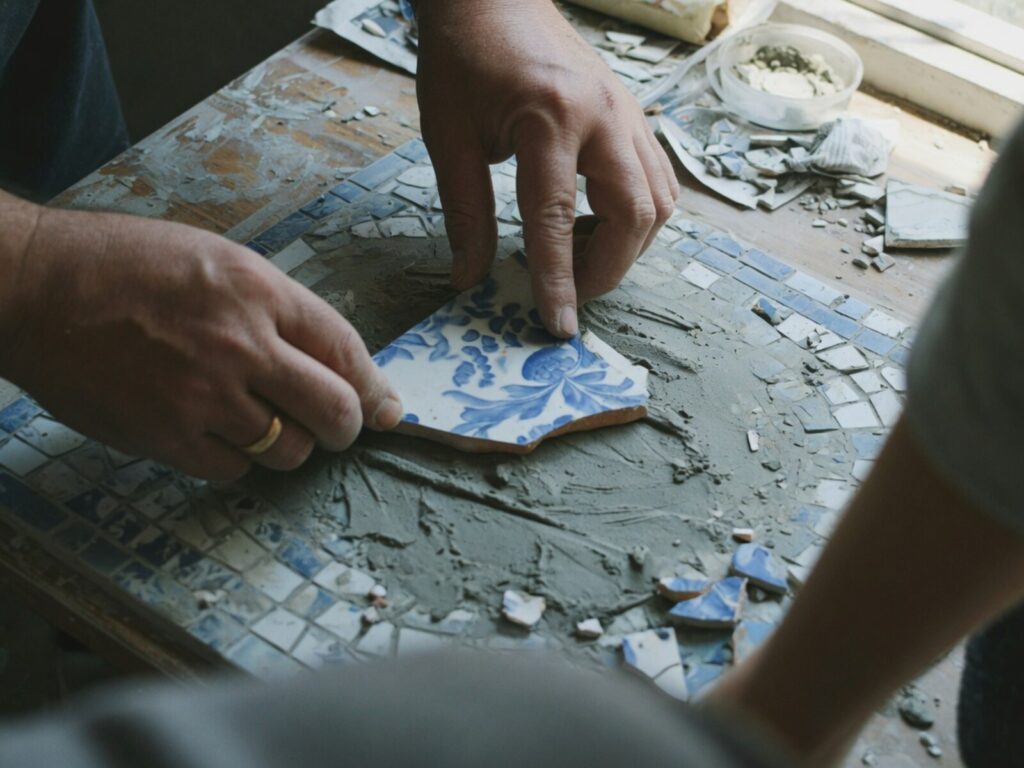
Then you make one. Everyone gets the materials to design and build their own trencadís piece, working with different colours, shapes and compositions. No experience needed — the instructors explain the process step by step and stay with the group throughout. What you end up with is a piece nobody else has, and it goes home with you.
It is not a craft session for the sake of it: it is a hands-on way into a part of Catalan culture. For groups it brings out creativity and imagination, teamwork, coordination and concentration, and personal expression — and it does not matter at all whether anybody in the room has ever made a mosaic before.
Price on request, depending on the size and the characteristics of the group.
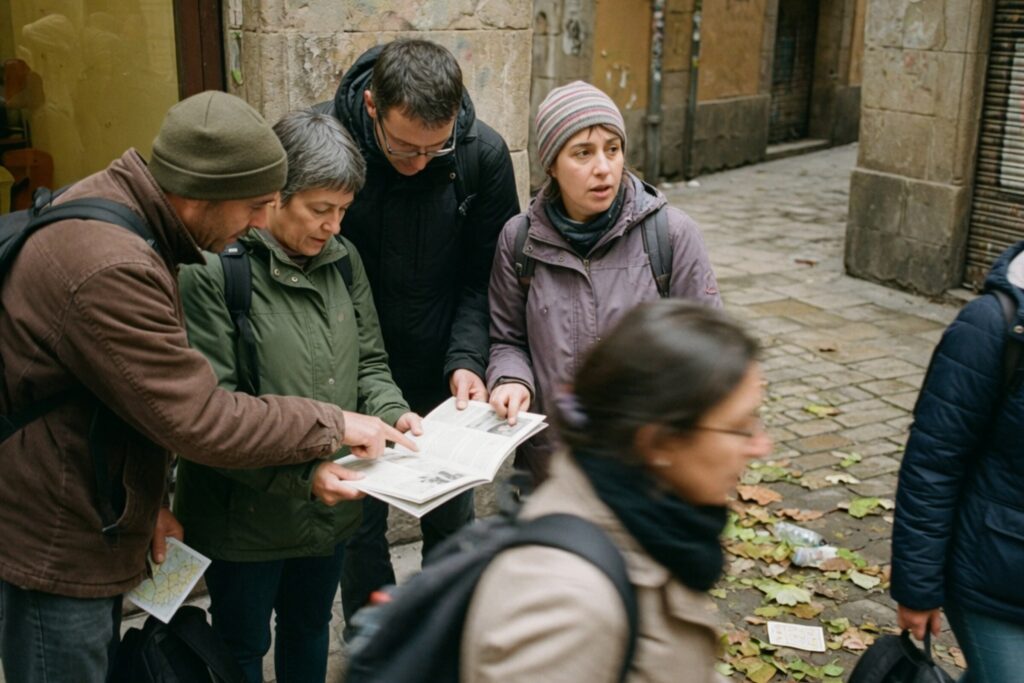
The workshop can be done on its own, or combined with a walking tour of the Gothic Quarter for a fuller experience that joins history, architecture, culture and creativity. A good option for groups who want to see Barcelona a different way and take a small piece of the city home with them.
Ask about the combined optionA short explanation of Gaudí, Catalan Modernisme and the history of trencadís.
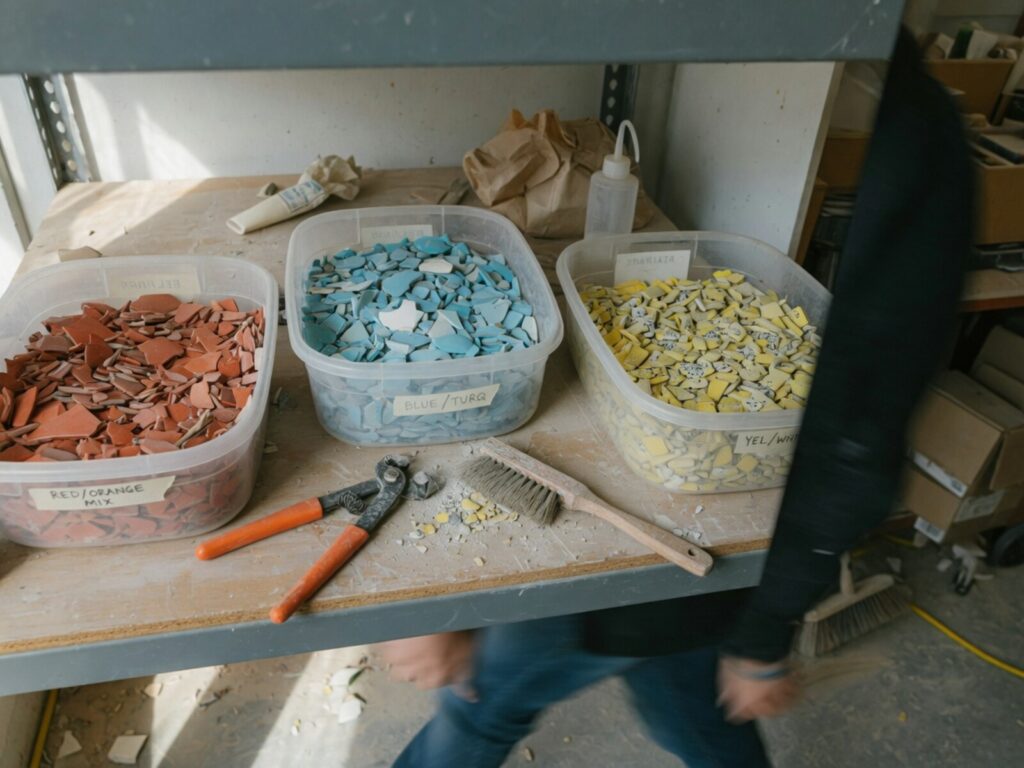
The materials, the tools and the different creative possibilities that mosaic offers.
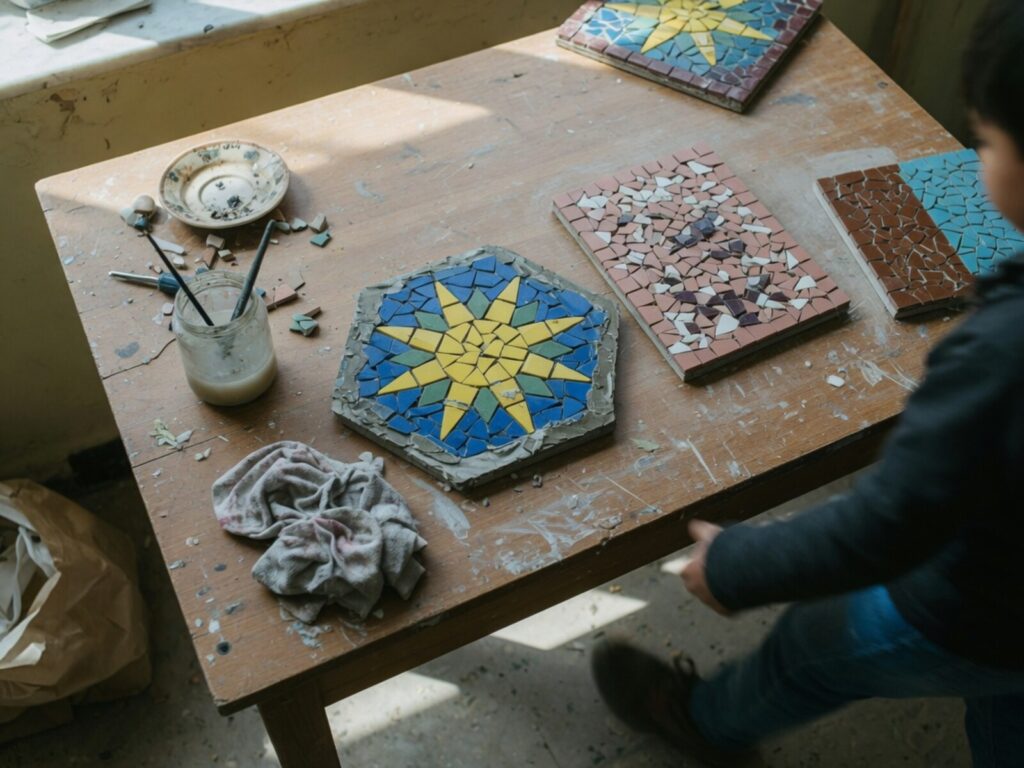
Each participant designs and creates their own composition, using ceramic pieces of different shapes and colours.
With the instructors’ help the pieces are completed, and we get to see the result of the work.
Everyone keeps their creation as a personal reminder of the experience.
Photos from our own tours.
The workshop address goes in your confirmation. It is always reachable by metro and we send directions with the booking.
None at all. The instructors explain the process step by step and help the participants throughout. It does not matter whether you are an experienced artist or have never made a mosaic — the point is to experiment, create and enjoy the process.
A technique based on using small irregular fragments of ceramic, tile and other materials to create compositions full of colour and shape. Antoni Gaudí turned it into one of the most recognisable elements of his architecture, and used it in some of his most famous works in Barcelona.
Yes. Each participant keeps their own piece as a personal souvenir of their experience in Barcelona.
Student groups, families, companies and private groups. It is a creative, cultural, team-building activity, and the workshop is adapted to the level of the group.
It is one of the main reasons groups book it. It brings out creativity and imagination, teamwork, coordination and concentration, personal expression, and a real bit of Catalan culture and art along the way.
Price on request, depending on the size and the make-up of the group. Tell us how many you are and when, and we come back with a price.
Yes. It can run on its own or alongside a walking tour of the Gothic Quarter, which joins history, architecture, culture and making something with your hands into one longer session.
Chef Ferran Adrià’s secret ingredient has gone missing in the Gothic Quarter. Your group splits into two teams, each with a backpack and a roadbook, and the race is on to get it back. Riddles, logic puzzles and cultural challenges through the medieval streets, with hidden letters to collect along the way. The two teams […]
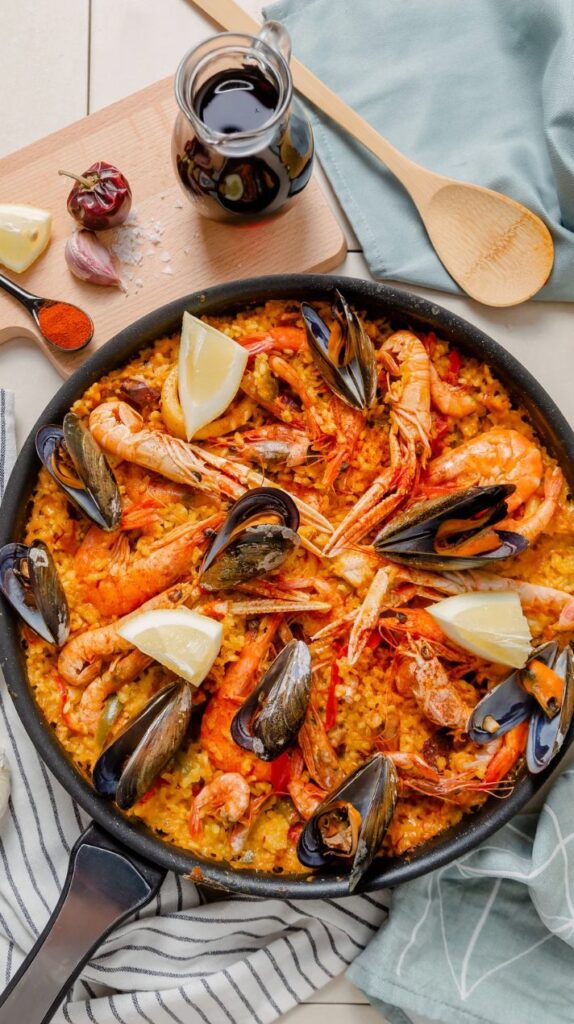
Cook a paella in Barcelona and then sit down and eat it. The full details are still coming from the operator.
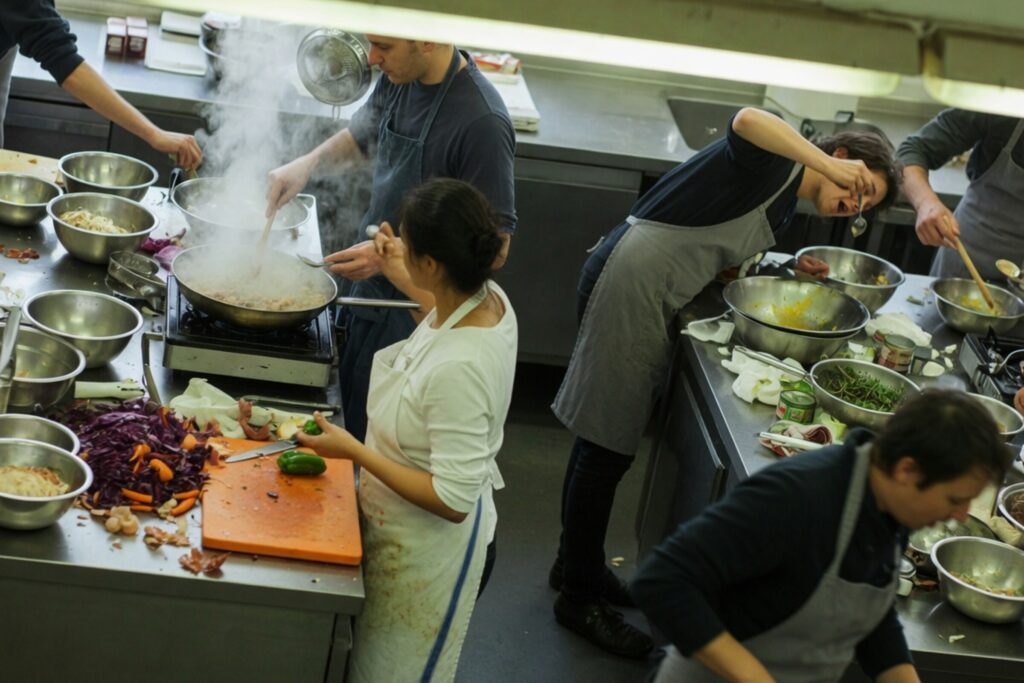
Split the group into teams, get into the kitchen and cook against each other. Minimum 10 people.